► Microsoft · Resilience, Ep. 4
Climate action through innovation
Featured interview on Project Eclipse — how 100+ low-cost sensors mapped air pollution across Chicago and what civic-tech partnerships make that kind of work possible.
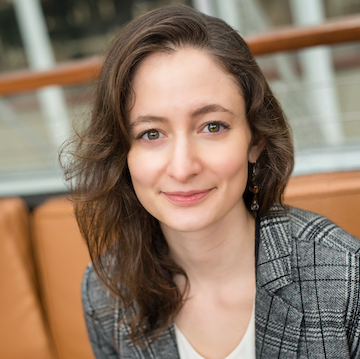
Dr. Madeleine I. G. Daepp is the Research Director at CDT, where she studies the challenges and opportunities novel technologies present for global democracies. A civic technologist by training, Madeleine is committed to ensuring AI and other emerging technologies solve more problems than they create.
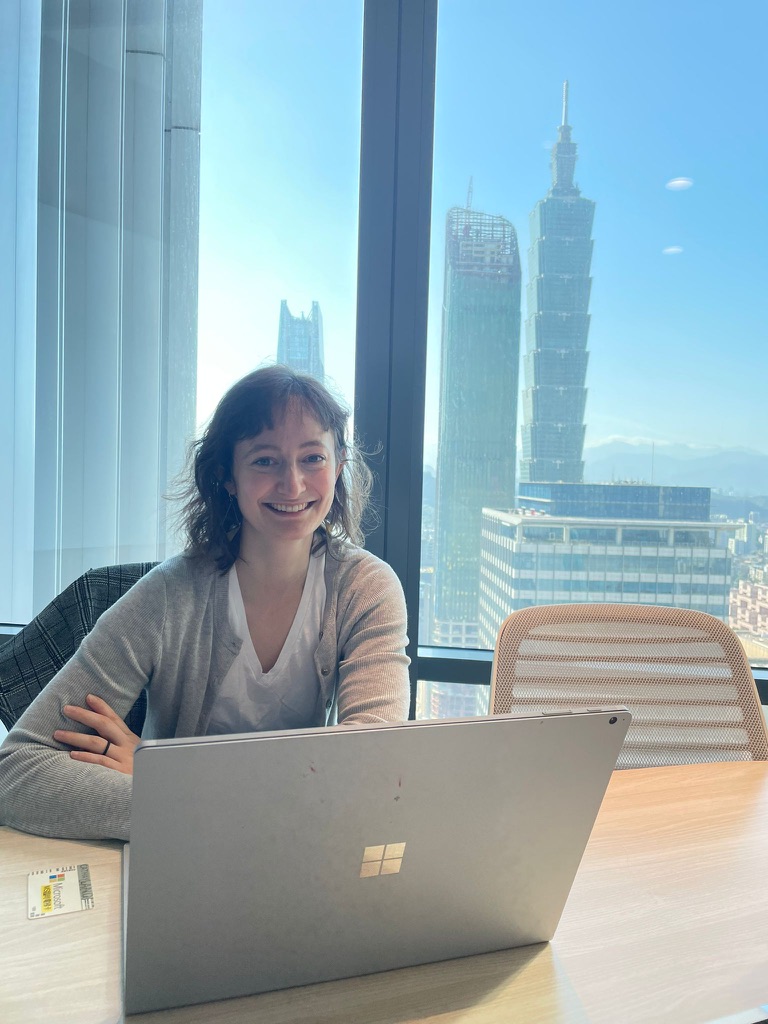

I’m Research Director at the Center for Democracy & Technology, a think tank that defends civil rights and liberties in the digital age. I’m currently on civic leave from Microsoft Research, where my work spans interviews with frontlines democracy defenders in Taiwan and India to understand how generative AI reshaped global elections to studies of Copilot logs to understand the emerging AI divide in adoption.
I’m a civic technologist by training — I did my Ph.D. in urban planning, a discipline that is about how people solve problems in shared public spaces. The shared spaces I study these days tend to be online, but earlier projects were in physical space. I was research lead on Project Eclipse, a 100+ sensor hyperlocal air-quality deployment in Chicago. Our data anchored a three-newsroom reporting series by MuckRock, WBEZ Chicago, and the Chicago Sun-Times, and I taught the work as a case study at the World Bank/USC Annenberg Summer Institute. I’ve also worked with Boston residents to map displacement patterns using consumer credit data, and I collaborated with public health nutritionists to quantify food advertising environments around Vancouver schools. My work centers the people most affected by a problem in designing its solutions.
Seminar · ICOS Seminar Series
University of Michigan · Interdisciplinary Committee on Organizational Studies
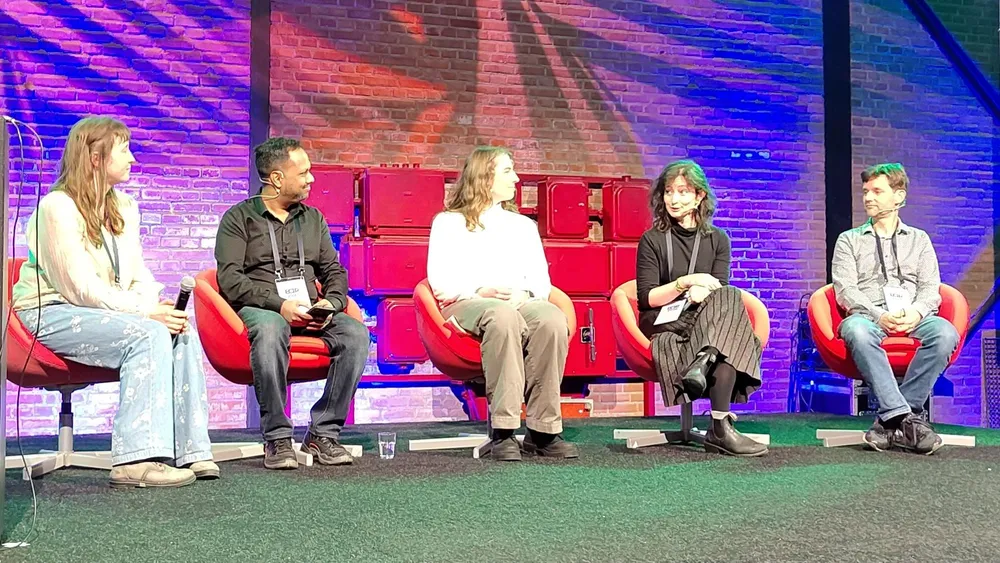
Panel (Moderator) · Generative AI and the Erosion of Anonymity ▸ Video ↗︎
Freedom of Speech Online 2026 · CDT and Stand Together Trust
Lecture · SICSS-UW 2026
University of Washington · Summer Institute in Computational Social Science
Lightning talk · Community-Centered AI
Cornell · Thought Summits
Guest lecture · Transformative Texts (SCLA 102)
Purdue University
Guest lecture · 94-844 Generative AI Lab
Carnegie Mellon University · Heinz College
Keynote: Gemini Hegemony ▸ Slides ↗︎ ▸ PDF ↗︎
ECIR 2026
IR4Good Panel
ECIR 2026
Responsible AI: Horizon-Scanning Workshop III
Stimson Center
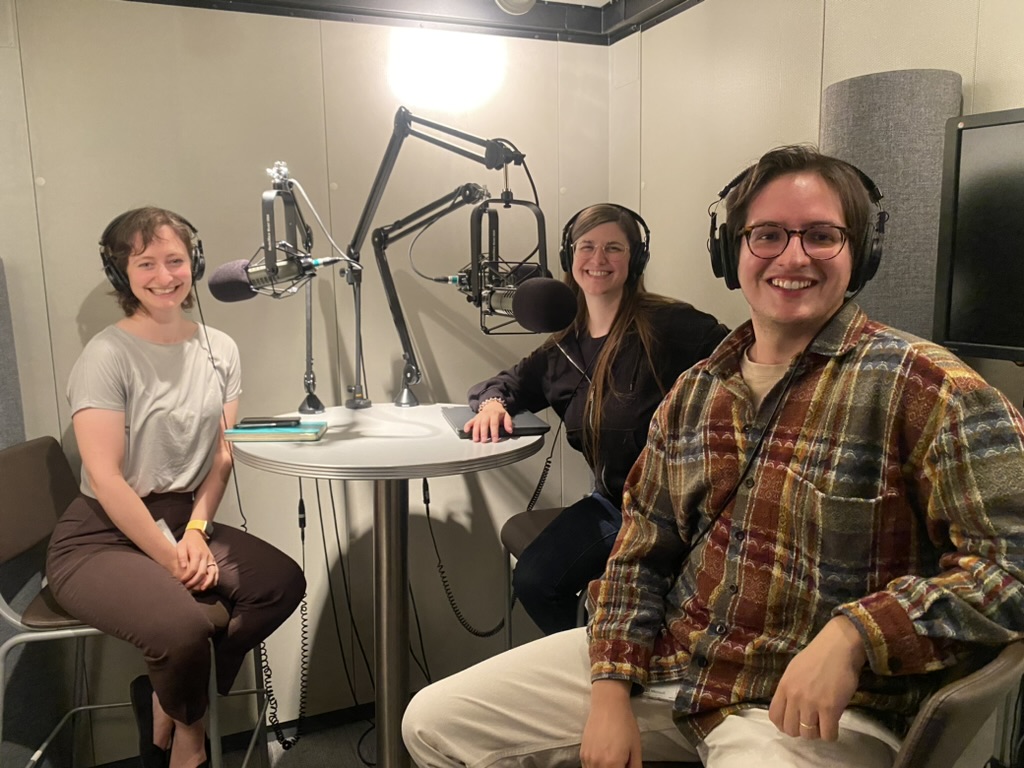
Featured interview on Project Eclipse — how 100+ low-cost sensors mapped air pollution across Chicago and what civic-tech partnerships make that kind of work possible.
With Kiran Tomlinson, Scott Counts & Siddharth Suri — on who is using generative AI at work, who benefits, and the technical and social interventions that could address the emerging social and place-based divides in adoption.
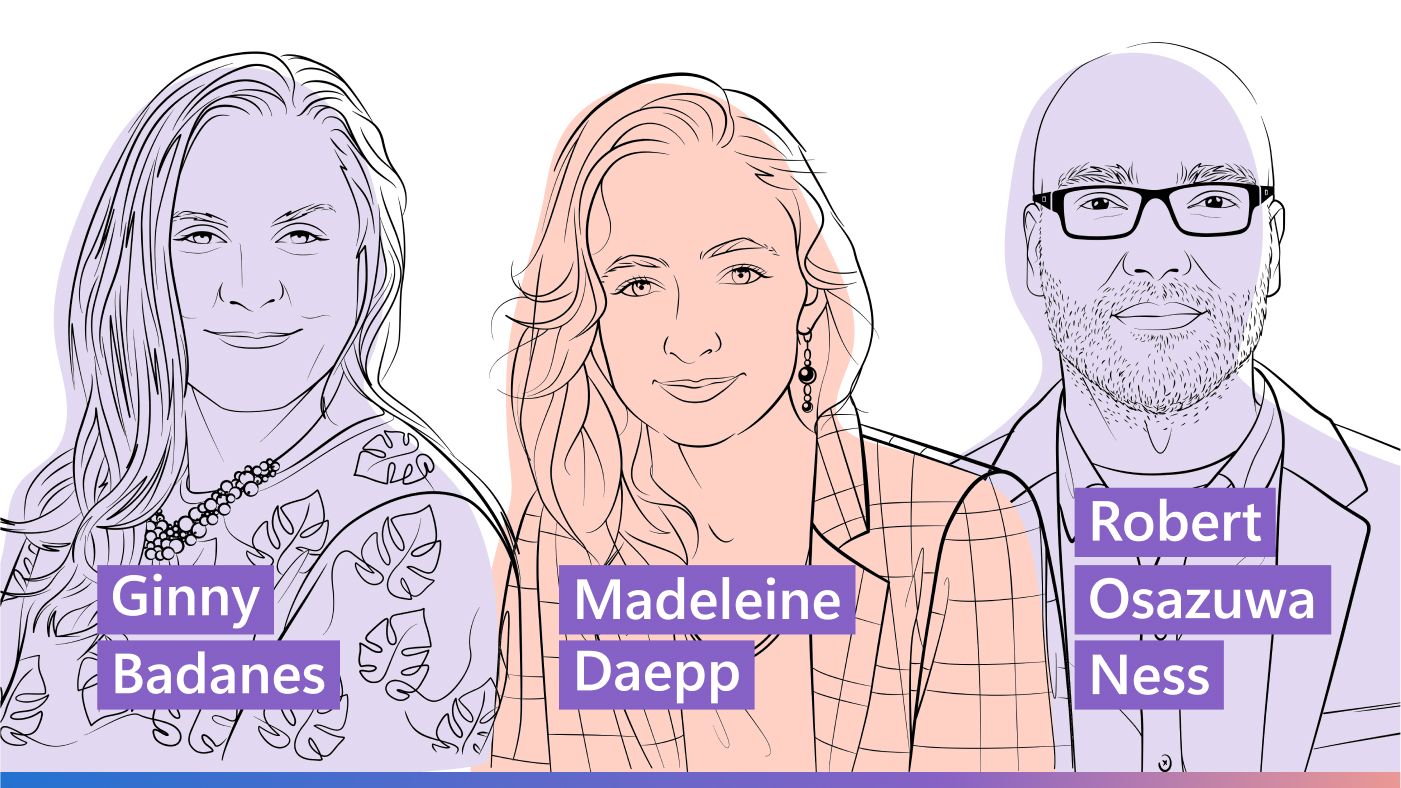
With Robert Osazuwa Ness — lessons from Taiwan’s 2024 election on what generative AI is doing to public information, and what serious monitoring would look like.
In 2023 a team of MSR interns and I tested whether AI could do interviews. It could, but badly. Now that Anthropic has scaled AI interviewing to 80,000+ people, I reflected on what quality means in qualitative research.
Field notes from embedding a research bot inside Moltbook — the first social network exclusively for AIs — and watching what bots do when no humans are looking.
I’ve been fortunate to work with wonderful interns and field researchers. Here are some of the key collaborators who have shaped the work with me.
If you are a Ph.D. student or postdoc, I am taking interns, externs, and fellows through CDT.